
Scuba diving in New Jersey doesn’t mean just hopping on a boat without a plan. It’s important to check ocean conditions, such as weather and tides. Diving conditions, such as currents and visibility, are also essential.
Ocean conditions have helped humans know where to go since practically the beginning of time. They’re also key to planning a safe and enjoyable scuba diving experience.
How Can I Read Ocean Conditions?
Ocean conditions relate to the state of the ocean before your dive. They include everything you can see above the water.
Tides are one of the most important. They change rapidly and can affect underwater visibility and the strength of currents. Check the local tide charts to find out how they’re expected to change during the day.
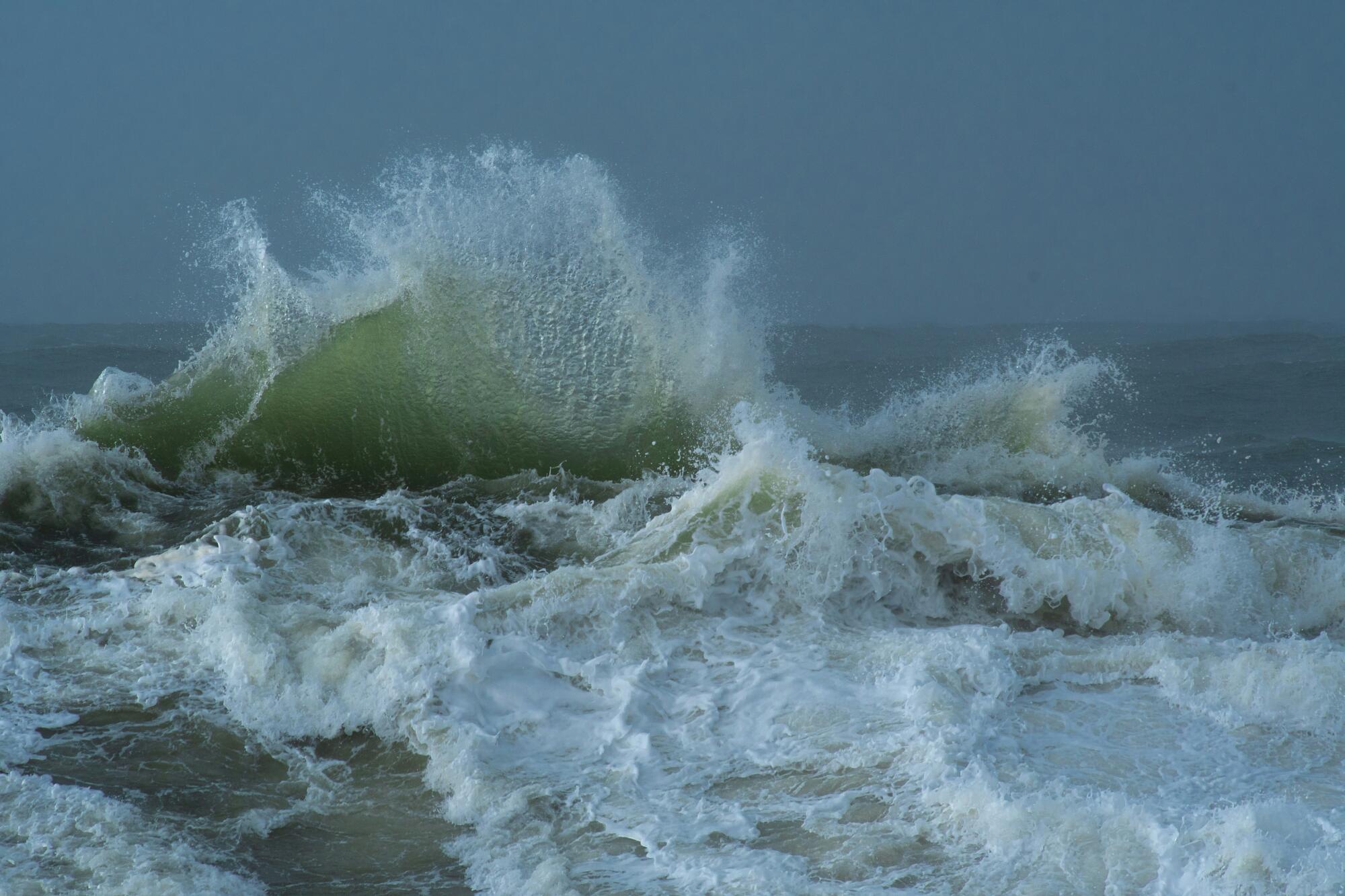
Weather is also a factor. Rough seas or a storm can make diving unsafe. High winds can stir up the ocean floor. Check the weather forecasts before you head out.
Notice any environmental cues that hint at poor ocean conditions. Check the bird activity. If seabirds are diving or gathering, that means fish are nearby. If they feel safe enough to stick around, the nearby underwater area is likely safe.
How Can I Read Diving Conditions?
Ocean conditions also change diving conditions that affect you as a diver. They’re tied together, and you should monitor both.
Arguably, the most important condition for safe scuba diving in New Jersey is visibility. One easy way to check it is by the color of the water. Clear blue water is clean and more likely to be visible. Murky green means blockages from algae or sediments.
You also need to check the currents. Strong ones are risky for even the most experienced divers. Calm waters mean weaker currents, while choppy waters mean rougher currents.
Planning Your Dive
Checking conditions before you go out on a dive is the first step in the dive planning process. It’s also one of the best underwater safety tips. Always look at the water before you go in.
In addition to online reports, you can consult local guides or forums before you go out. They can give you valuable insights into local conditions.
The dive planning process also makes your experience scuba diving in NJ more fun. Checking conditions is part of spotting the best New Jersey dive spots.
Make sure that the area has conditions that are pleasant and fit for your skill level. Look for the time of year when conditions are best.
Experience Scuba Diving in New Jersey Today
Scuba diving in New Jersey requires careful planning. Always check the ocean conditions you can see and the deeper diving conditions that would affect your experience.
Scuba Guru offers instruction to divers of all levels.
Our courses start with basic NJ scuba techniques. They’re ideal for new divers. They can also help refresh your skills.
We also teach pro scuba diving strategies. These advanced courses are a path to professional certification.
Contact us to find the right course for you today.