
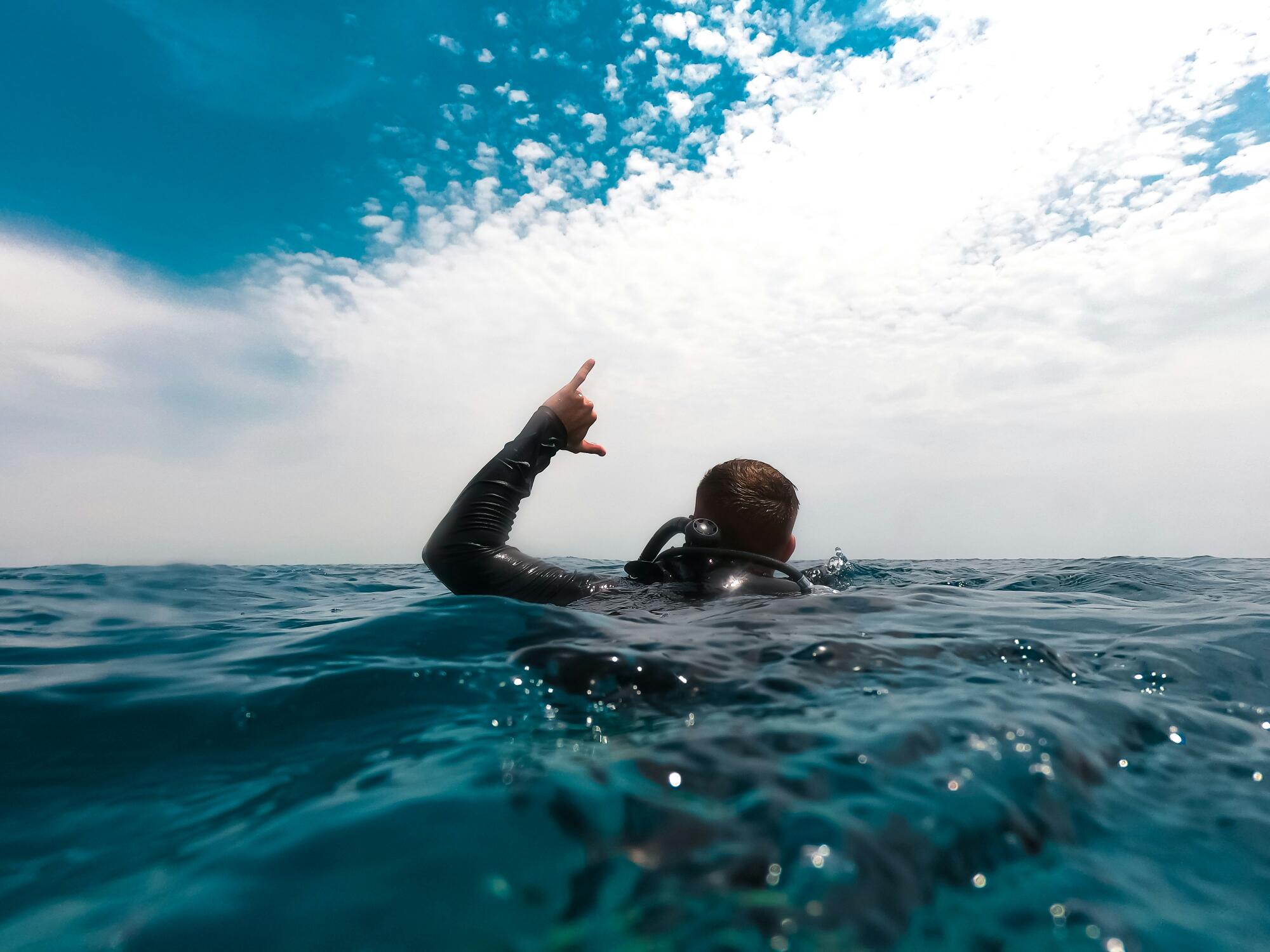
Scuba diving in NJ lets you step into a fascinating but potentially dangerous underwater world. Fully enjoying it requires the right steps, including the right gear for exposure protection.
Your first instinct may be that damage could come from sharks or other undersea predators. Seemingly small dangers, such as cold and injuries, are much more common, and you need to protect against them.
The Importance of Exposure Protection
Maintaining exposure protection is essential for safe diving in NJ.
Proper exposure protection helps you regulate body temperature while scuba diving in NJ. According to the CDC, cold-water hypothermia can occur in any water below 70°F.
Exposure protection gear prevents injuries to every part of your body. According to Ophthalmology Times, scuba divers are exposed to both UV and blue light. The fabric of exposure protection gear protects you from these potentially harmful rays.
It can even help you stay upright. Certain gear can also help maintain neutral buoyancy, one of the most important aspects of diving safety.
Types of Exposure Protection
Wetsuits and drysuits are the two primary forms of exposure protection gear. It’s important to have both because they’re suited to different dives.
A wetsuit is made of neoprene. It forms a thin layer of water between the suit and your skin. Your body heat keeps you warm in moderately cold water.
A drysuit creates an airtight barrier to keep water away. That makes it ideal for colder water or longer dives.
When Choosing Exposure Gear for a Dive, What Should I Consider?
The most important part of choosing NJ diving gear is getting the right fit. It should fit snugly without restricting movement. How thick it should be depends on the water temperature and how long you’ll be diving.
You can also look for additional features during scuba wetsuit selection, such as:
- Hoods
- Gloves
- Boots
They’ll provide additional thermal protection during long or cold dives.
Go to local dive shops for in-store fittings. They may also offer blogs with local scuba diving tips. Taking classes gives you a chance to try out your gear and learn to use it safely.
Should I Wash My Wetsuit After Every Use?
Caring for your gear is one of the most important exposure protection tips.
You should rinse your wetsuit with cold water after every use. Dry it in the shade to avoid sun damage. Don’t store it on a wire hanger because it could damage the material. Repair any tears as soon as possible.
It’s also best to rinse and dry off your drysuit after every use. Cleaning and maintenance keep the material and zipper strong. Simple steps can increase your lifespan so you can enjoy safe diving in NJ for years to come.
Experience Scuba Diving in NJ Today
Scuba diving in NJ is safe and fun, but it presents dangers from cold temperatures and injuries. The right gear provides exposure protection against these issues.
Scuba Guru is the school for newbies and experts. Our friendly and experienced instructors can help you hone basic techniques and guide you on your road toward full certification.
Contact us to find the right course today.