How to Improve Air Consumption During Scuba Diving in NJ
You can stretch your air by slowing your breath, fixing your buoyancy, and smoothing your gear. These small habits add real minutes during scuba diving in NJ.
According to Nature, nearly 33.1 million scuba dives happen annually in marine environments globally. If you love scuba diving, you want to be safe while doing it.
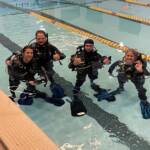
At Scuba Guru in New Jersey, we help you stand apart with stronger underwater breathing skills from your very first pool class. You train at Raritan Valley Community College and finish your open water dives at Lake Hydra. By the end of the course, you will breathe more slowly and dive longer.
Why Air Matters for Scuba Diving in NJ?
Scuba Diving in NJ isn’t warm-reef tourism. Our coast delivers cold water, strong currents, and world-class wrecks. According to The Art Newspaper, roughly 3,000 to 5,000 shipwrecks rest on the ocean floor along the Jersey shore.
Each wreck rewards careful air planning. If you run out of gas early, you miss the bow. Run out later, and you risk a rushed ascent.
What Are the Simple Scuba Diving Techniques That Save Air?
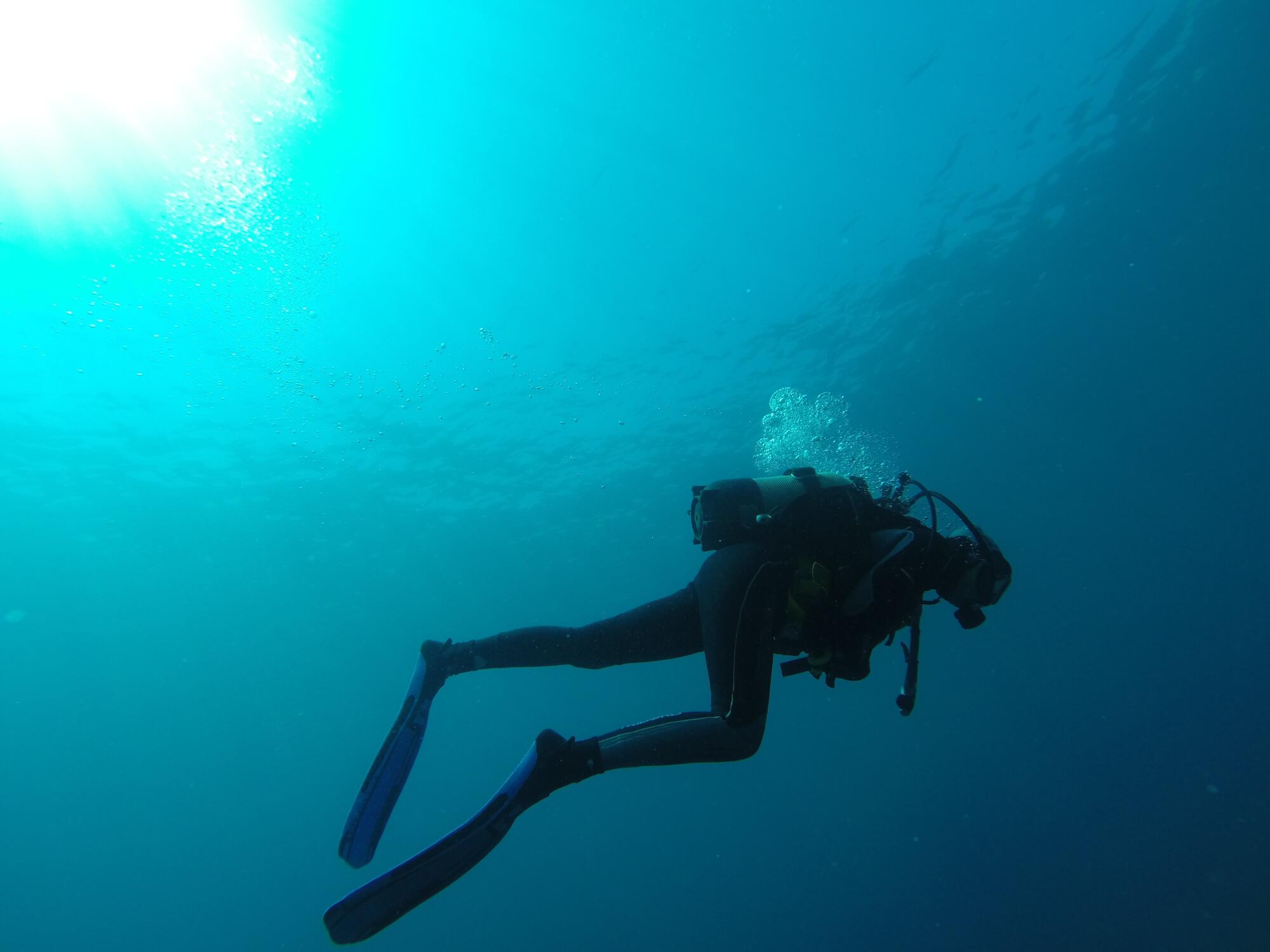
Most new divers breathe too fast. They rarely notice until they check the gauge. Try these scuba diving techniques on your next dive off the Jersey coast:
- Breathe long, slow, and deep through your regulator.
- Fine-tune your weights until you hover flat.
- Tuck hoses and gauges tight against your body.
- Kick from the hip, not the knee.
- Relax your arms and let them hang still.
These habits lower your heart rate and cut drag. Over a 40-minute dive, you can save 500 psi or more. That procedure buys you extra minutes at the best part of the wreck.
What Are Some Air Efficiency Tips That Work Under Pressure?
Your mind sets the pace below. Panic spikes your breath within seconds. These air efficiency tips keep you calm and focused:
- Plan your dive before you enter the water
- Check your pressure gauge every two minutes
- Match your kicks to your buddy’s speed
- Skip caffeine and heavy meals before the trip
- Practice slow breath drills on land each week
Many of those new divers skip these finer skills. Additionally, gear shapes your dive time extension more than most divers realize. A well-tuned regulator breathes softly at depth, while a slim BCD slides through the water with less drag.
If you’re going to explore Jersey wrecks, pick a steel tank over a standard aluminum 80. Bigger capacity means longer hangs on the anchor line and more time with the lobsters.
Get the Right NJ Scuba Diving Tips From Scuba Guru
Every trip to Lake Hydra builds the lungs you need for real scuba diving in NJ. However, before you start, you need help from local experts.
At Scuba Guru, we’re built on one rare promise that no other NJ dive shop publishes on its schedule: four divemasters for every five students. That ratio is why our students finish open water calmer, safer, and with lower air use than the industry average. Our COVID-vaccinated instructors run indoor pool sessions at Raritan Valley Community College and weekend open water trips at Lake Hydra under one roof.
Contact us today and lock in your seat for the next open water class.